
PVC Banner Cost Guide
Practical guidance from the team that surveys, makes and installs commercial signage. If you have a live project, we can help you choose the right route.
A PVC banner remains one of the most cost-effective ways to advertise an event, promotion or site outdoors, but size, eyelet finishing and wind exposure all affect what actually holds up once it is in place. A banner that looks fine in a sheltered spot can tear free within days in a genuinely exposed location if it has not been reinforced or specified as mesh, which is a common and avoidable failure. This guide covers what affects cost and durability. We print and supply PVC banners and flags to businesses across Hertfordshire, Bedfordshire, Buckinghamshire, Cambridgeshire and London.
We look forward to hearing from you
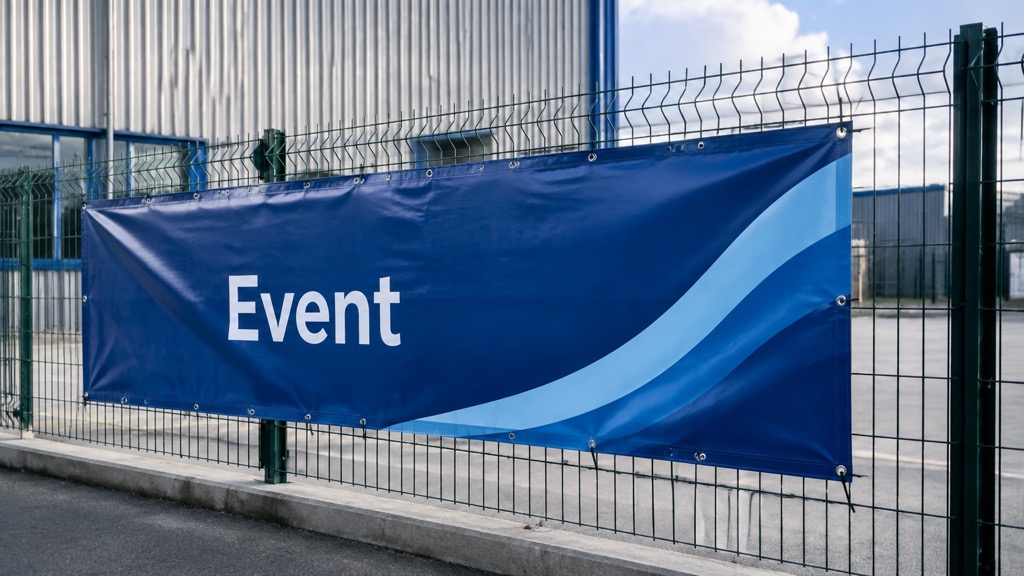
Size is the main cost driver, along with hemming and eyelet spacing, which needs to match how the banner will be fixed (cable ties, bungees, or a banner frame).
What affects cost and durability
Size is the main cost driver, along with hemming and eyelet spacing, which needs to match how the banner will be fixed (cable ties, bungees, or a banner frame). In exposed or windy locations, a mesh banner (which lets wind pass through) or extra reinforcement is worth the small extra cost to avoid a banner tearing free.
Ready when you are
Need a banner or flag for an event or promotion? Use the form above to tell us what you need, or get a fixed estimate directly.
Get an EstimateCommon questions
A well-made banner typically holds up for several months to a year outdoors, depending on UV exposure and wind conditions.
Banners suit fence lines and fixed structures, while flags work well for a freestanding, highly visible presence such as at an entrance.
This depends on banner size and fixing method, but closer spacing generally gives a more secure, even fixing in windy conditions.
Yes, though this typically requires a heavier material to prevent show-through between the two printed sides.
Not always; mesh is most important in exposed or elevated positions where wind loading is a genuine concern, such as on scaffolding or a tall fence line.